Blog

  • Visible Veins Explained

    Visible Veins Explained

    Most people don’t notice their veins until they become darker or more visible. While noticeable veins are often harmless, they can still offer clues about circulation, aging, and lifestyle. Factors such as body fat, temperature, hydration, exercise, and genetics all influence how veins appear.

    For many people, especially athletes, visible veins are normal because “there’s simply less cushioning between skin and vessels.” As people age, their skin naturally thins, which also makes veins stand out more. Temporary factors like heat, intense workouts, or dehydration can cause veins to look more prominent as well.

    However, not all changes should be ignored. “Sudden changes in vein size or appearance can signal circulation issues.” Conditions such as chronic venous insufficiency or varicose veins may lead to bulging, discomfort, or heaviness. Symptoms including “swelling, warmth, redness, or sharp leg pain” may indicate a more serious issue and should be checked by a medical professional.

    In most cases, visible veins are simply part of how the body functions and adapts to activity, temperature, and aging. Still, paying attention to new, unexplained, or uncomfortable changes is important. When something looks or feels unusual, seeking medical advice can help rule out potential problems and ensure healthy circulation.

  • Social Media Reacts as Charlie Puth’s Super Bowl Anthem Draws Criticism and Praise

    Social Media Reacts as Charlie Puth’s Super Bowl Anthem Draws Criticism and Praise

    Between Tradition and Technology: Charlie Puth’s Anthem at Super Bowl LX
    When Super Bowl LX opened at Levi’s Stadium, the evening began with one of the most symbolically charged moments in American sports: the singing of The Star-Spangled Banner.

    On this global stage, the honor went to Charlie Puth.

    Before millions of viewers—and ahead of a matchup between the New England Patriots and the Seattle Seahawks—Puth stepped forward to deliver a performance that would quickly become one of the night’s most discussed moments.

    Not because it failed.

    But because it raised questions.

    A Tradition Larger Than the Game
    The Super Bowl anthem is never just another song.

    For decades, artists from Whitney Houston to Chris Stapleton have turned the opening minutes into cultural landmarks. These performances are remembered long after scores are forgotten.

    For Puth, the moment carried special weight. A trained musician and established hitmaker, he approached the assignment with visible seriousness, publicly acknowledging the pressure and legacy attached to it.

    This was not a casual appearance.

    It was a career milestone.

    A Performance Built on Restraint
    Instead of spectacle, Puth chose simplicity.

    Standing at a minimalist platform with his piano and supported by a choir and band, he delivered a restrained, emotionally focused version of the anthem. There were no exaggerated vocal runs, no theatrical flourishes.

    The emphasis was on:

    Control

    Clarity

    Musical discipline

    His approach allowed the melody and lyrics to remain central, rather than competing with them.

    For many viewers inside the stadium, the moment felt reflective. Cameras showed players and coaches standing quietly, some visibly moved. Applause followed immediately as the final note faded.

    For some, it was deeply emotional.
    For others, quietly impressive.

    Praise and Public Appreciation
    Online reaction was swift and largely positive.

    Many praised:

    His vocal precision

    The clean piano arrangement

    The respectful tone

    The absence of unnecessary embellishment

    Even viewers who were not regular fans of his music acknowledged the performance as sincere and technically strong.

    To them, it fulfilled the anthem’s core purpose at a national event: setting a unifying emotional tone before competition begins.

    Why Doubts Emerged
    Still, admiration was quickly joined by skepticism.

    Some viewers began questioning whether parts of the performance were prerecorded or supported by backing tracks. They pointed to:

    The unusually “perfect” sound

    Minor perceived mismatches between audio and visuals

    The polished broadcast quality

    Social media discussions suggested that the performance felt “too studio-like” to be fully live.

    This debate was not unique to Puth. It reflects a recurring pattern at major televised events.

    Live Performance in the Broadcast Era
    Large-scale broadcasts present serious technical challenges.

    Stadium acoustics, weather, crowd noise, and signal delays can all affect sound quality. To avoid disruptions, producers often use layered audio systems that blend live vocals with pre-recorded elements.

    This does not necessarily mean an artist is not singing.

    It means the broadcast is engineered for reliability.

    Even legendary performances— including Houston’s iconic 1991 anthem—used technical support systems.

    From home, viewers cannot reliably distinguish between pure live audio and professionally mixed sound. That uncertainty fuels speculation.

    A Divided but Engaged Audience
    Reactions ultimately fell into three groups.

    Supporters argued that:

    Puth is known for strong live vocals

    Broadcast delay can distort perception

    Technical support does not negate authenticity

    Skeptics felt:

    The performance sounded overly polished

    Other pregame acts appeared more visibly live

    Some visual elements raised questions

    Moderates took a middle position:

    Praising his skill

    Acknowledging the possibility of technical assistance

    Feeling the performance was solid but understated

    What united all sides was engagement.

    People cared.

    And that matters.

    Why the Anthem Still Commands Attention
    Few moments in American sports receive this level of scrutiny.

    The national anthem sits at the intersection of:

    Patriotism

    Entertainment

    Memory

    Expectation

    Every performance is compared to history.
    Every note is judged.
    Every interpretation becomes symbolic.

    Puth’s piano-led, restrained version fit this tradition in its own way. It may not have been explosive. It may not have been iconic.

    But it was intentional.

    Performance Versus Perception
    What this episode ultimately reveals is less about Charlie Puth and more about modern audiences.

    Today, viewers expect:

    Emotional impact

    Technical perfection

    Authenticity

    Transparency

    All at once.

    When any one of these seems uncertain, debate follows.

    In a media environment shaped by instant replay and online analysis, no major performance exists without commentary.

    Conclusion: A Moment That Did Its Job
    Whether entirely live or partially supported, Charlie Puth’s anthem accomplished what it was meant to do.

    It:

    Opened the game with dignity

    Avoided distraction

    Respected tradition

    Created emotional atmosphere

    The debate that followed reflects how seriously audiences still take this ritual.

    In an era of endless spectacle, that is notable.

    Because it shows that, even now, people still care deeply about how certain moments are handled—especially when they represent something larger than entertainment.

    On that night at Super Bowl LX, Charlie Puth didn’t just sing a song.

    He stepped into a tradition.

    And for better or worse, he became part of its ongoing story.

  • 7 Acres – 7-Bedroom Home – Barn

    7 Acres – 7-Bedroom Home – Barn

    The estate described is a remarkable 7-acre property that blends rural tranquility with modern comfort. Its spacious layout and well-designed features make it appealing to buyers seeking a balance between privacy, natural surroundings, and a functional living environment. Set amid open fields and mature trees, the land offers a sense of peace and seclusion that is difficult to find in more congested areas.

    At the heart of the estate is a large 7-bedroom home built to support families of all sizes, including multigenerational households. The abundance of living space ensures comfort for everyone, while generous natural light brightens every room. High ceilings help create an atmosphere of openness, giving the home a welcoming and airy feel.

    The home’s modern finishes add convenience and style, blending contemporary touches with the rural charm of the property. Updated materials, thoughtful layouts, and large windows enhance both aesthetics and usability. The interior design encourages relaxation while supporting the needs of everyday life.

    Complementing the residence is a beautifully maintained barn, which expands the property’s functionality. Whether used for animals, storage, a workshop, or a hobby space, the barn provides versatility for a wide range of lifestyles. For buyers interested in farming, crafting, or simply extra room to store equipment, the barn is a significant asset.

    The expansive acreage surrounding the buildings makes the estate ideal for outdoor activities. Families can enjoy gardening, recreational play, or peaceful walks across the open land. Those who value privacy will appreciate the distance from neighboring properties, allowing for quiet living without sacrificing convenience.

    Overall, this 7-acre estate offers a rare blend of comfort, practicality, and natural charm. With its spacious home, well-kept barn, and serene setting, it stands out as an excellent choice for anyone seeking a beautiful rural retreat with modern amenities.

  • Donald Trump took to his social media platform (Truth Social) shortly after Bad Bunny’s halftime performance

    Donald Trump took to his social media platform (Truth Social) shortly after Bad Bunny’s halftime performance

    The Seattle Seahawks dominated Super Bowl LX, overwhelming the New England Patriots with what many described as a “suffocating defensive display” that controlled the game from start to finish. From the opening kickoff, Seattle pressured the quarterback, shut down the run, and forced repeated mistakes. By halftime, they had built a commanding lead, and the atmosphere felt less like a tense championship and more like a celebration in progress. Fans sensed they were witnessing one of the most complete defensive performances in Super Bowl history.

    Yet as Seattle’s victory became inevitable, attention began shifting away from the field. Instead of focusing solely on strategy and legacy, much of the conversation turned to the halftime show. What should have been a straightforward championship narrative quickly evolved into a broader cultural moment, with football sharing the spotlight with entertainment and social debate.

    When Bad Bunny took the stage, the stadium transformed into a high-energy spectacle of lights, music, and choreography. His performance celebrated Latin rhythms and cultural imagery, creating what many viewers saw as a vibrant and unfiltered expression of identity. Social media immediately filled with praise, with fans calling it a celebration of representation and artistic freedom. For many, it felt like a defining moment that reflected changing trends in mainstream entertainment.

    However, the show also sparked controversy. Critics argued that some elements crossed lines of taste, while supporters defended the performance as creative expression. The disagreement grew into a larger cultural debate, turning the halftime show into a flashpoint about what belongs on a national stage. As one observer noted, the Super Bowl has become a “cultural crossroads” where sports, music, and identity collide.

    Meanwhile, the Seahawks completed their dominant win, lifting the Lombardi Trophy after months of preparation and sacrifice. Players and coaches celebrated a performance built on discipline and teamwork, even as much of the public focused on the halftime discussion. The night blended football triumph with cultural debate, showing how modern Super Bowls extend far beyond the game itself.

    In the end, Super Bowl LX will be remembered for both athletic dominance and cultural impact. It became not just a championship, but a shared national moment that sparked conversation, emotion, and reflection long after the final whistle.

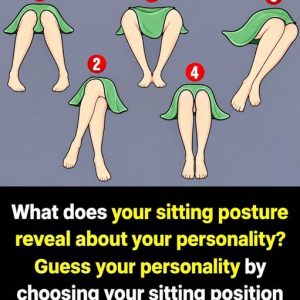
  • Why do women cross their legs when sitting? Psychological perspectives

    Why do women cross their legs when sitting? Psychological perspectives

    Crossing one’s legs while sitting may seem like a simple habit, but it is shaped by culture, history, and social expectations. Posture has long been used to signal identity and values, especially for women. In eighteenth-century Europe, crossing the legs was linked to refinement and grace, while in some Eastern cultures, showing the sole of the foot or crossing legs toward someone has been seen as disrespectful. These contrasts show that “posture is never neutral” and is always interpreted through cultural meaning.

    In modern life, these expectations continue in subtle ways. Clothing, fashion, and media often encourage leg crossing as a symbol of elegance, leading many women to adopt it automatically. What feels like a natural choice is often influenced by years of messaging about how bodies should appear in public.

    Psychologically, leg crossing can reflect different emotional states. It may signal confidence, but it can also suggest vulnerability or a need for comfort. Crossing the legs can create a physical barrier, offering a sense of protection in stressful situations. Some interpretations link closed postures to anxiety, while open ones suggest ease, but these meanings vary based on culture and context.

    In social and professional settings, leg position affects nonverbal communication. Crossed legs can imply distance, while uncrossed legs may signal openness. Direction matters too, as crossing toward someone can show interest, while crossing away may suggest discomfort. These subtle cues can shape interactions and perceptions.

    Social judgments also play a role. In some settings, crossed legs are viewed as feminine and polite, while in others they may be seen as passive. In workplaces, posture can influence assumptions about authority and confidence, often placing extra pressure on women.

    As norms evolve, questioning these expectations matters. No single posture should define confidence or professionalism. Greater awareness allows people to choose comfort and authenticity, showing that leg crossing reflects history, psychology, and culture, not just habit.

  • Parents Issue Urgent Warning After 13-Year-Old Daughter Dies Following Sleepover

    Parents Issue Urgent Warning After 13-Year-Old Daughter Dies Following Sleepover

    Australian broadcaster Ally Langdon struggled to hold back emotion as she listened to two parents describe the moment their family changed forever.

    Speaking on A Current Affair, Andrea and Paul Haynes shared how their 13-year-old daughter, Esra Haynes, died only days after what began as an ordinary sleepover with friends.

    There was nothing dramatic about the evening. Esra was active, confident, and deeply loved — a BMX rider alongside her brothers, a co-captain of her aerobics team, a child who filled spaces with movement and laughter. To her parents, she was simply a happy teenager doing what teenagers do.

    During the sleepover, Esra inhaled aerosol deodorant — part of a dangerous online trend known as chroming. Moments later, her body collapsed into cardiac arrest. The lack of oxygen caused severe brain injury.

    Paul described receiving the call no parent is ever prepared for — a request to come quickly, without explanation, into a reality that could not be reversed.

    At the hospital, hope lingered. Her heart and lungs were strong. Machines kept her breathing. For days they waited, believing strength might be enough.

    Then the doctors spoke gently and clearly. The damage to Esra’s brain was permanent.

    The choice that followed was not really a choice at all — only an act of love in the face of what could no longer be changed. Surrounded by family, they held their daughter until her life ended.

    Langdon paused, overcome. Not as a presenter, but as a mother.

    The loss has rippled through siblings, classmates, teammates, and a wider community that had watched Esra grow. Grief now fills spaces where ordinary routines once lived.

    What deepened the parents’ sorrow was learning how easily this could happen — how common household products can become lethal when inhaled, how quickly the heart can fail, how little warning there is. Before that night, they had never heard of chroming.

    Now they speak about it with quiet urgency.

    Not in anger.
    Not in fear.
    But in the hope that knowledge might protect another child.

    They urge families to talk — calmly, early, without shame — about online trends and risky behaviors before curiosity meets danger.

    Father’s warning to other parents after 13-year-old daughter Esra died from chroming
    “If we had known,” Paul said softly, “we would have talked about it at our kitchen table.”

    There is no accusation in their voices. Only the ache of parents who loved fully and learned too late.

    Esra’s story has become part of a wider conversation about teen safety in a world where harmful challenges travel faster than warnings. It is a reminder that many dangers today arrive disguised as momentary thrills.

    What remains strongest is not the tragedy itself, but the love that surrounded her — and the resolve of two parents turning grief into protection for others.

    Sometimes the most powerful legacy is not what a life was, but what it quietly teaches.

    Esra’s was brief, bright, and deeply meaningful — and through the care her parents now offer to the world, it continues to protect, to guide, and to matter.

  • Kid Rock responds after being mercilessly mocked for ”Redneck” halftime show

    Kid Rock responds after being mercilessly mocked for ”Redneck” halftime show

    Hours after online jokes flooded social media about his so-called “All-American Halftime Show,” Kid Rock didn’t back down. Instead, he did what he’s long been known for — doubling down.

    The alternative halftime show, staged February 8 by Turning Point USA, was mocked almost immediately. Critics branded it “Temu Halftime,” “Redneck Halftime,” and “Dollar Tree parking lot energy,” turning it into an instant meme.

    Still, the numbers told a more complex story. The livestream reportedly pulled in more than 5 million concurrent viewers and peaked near 6 million on YouTube — a sizable audience, even if it paled next to the NFL broadcast.

    While Bad Bunny headlined the official Super Bowl LX halftime show, Kid Rock led TPUSA’s counter-event alongside Brantley Gilbert, Lee Brice, and Gabby Barrett. The show emphasized “faith, family, and freedom,” and included a tribute to the late Charlie Kirk.

    Kid Rock opened with a shortened “Bawitdaba” before moving into an acoustic version of Cody Johnson’s “’Til You Can’t,” adding a verse honoring Kirk. Online, however, attention shifted quickly to accusations of lip-syncing.

    Rather than respond directly, Kid Rock pivoted. The next day, he announced a studio release of “’Til You Can’t,” praising the songwriting and thanking Johnson for his support — no apologies, no explanations.

    Reactions were sharply divided. Critics dismissed the performance as amateurish, while supporters called it meaningful and faith-driven. Conservative figures praised the show, while musicians like Kacey Musgraves openly mocked it.

    In the end, the music almost felt secondary. The event functioned as a cultural counterstatement, and for a performer built on provocation, the backlash may have been less a failure than the point itself.

  • Streaker at Super Bowl Identified After Three-Word Message on His Back Gained Attention

    Streaker at Super Bowl Identified After Three-Word Message on His Back Gained Attention

    Super Bowl LX delivered the spectacle fans expect, but an unexpected disruption briefly diverted attention from the game. During the fourth quarter at Levi’s Stadium in Santa Clara, a shirtless man ran onto the field, startling players and spectators alike. He sprinted across part of the field before being quickly restrained by players and security, and he was escorted away without further incident.

    Television broadcasters avoided showing the interruption live, choosing to keep the focus on the game to prevent copycat behavior. Despite this, clips of the moment quickly circulated online, sparking widespread discussion on social media. Viewers noticed writing on the man’s torso and back that appeared to promote trading-related messaging and social media content.

    Authorities later identified the individual and confirmed that this was not his first such stunt at a major sporting event. Reports indicated he had previously faced legal consequences and fines for similar behavior. The incident appeared to be another attempt to gain attention through a globally watched broadcast, despite the personal and legal risks involved.

    Following the brief distraction, public attention shifted back to the main attractions of the night: the game itself and the halftime show. Bad Bunny’s halftime performance became one of the most talked-about elements of the event, featuring elaborate staging, guest appearances, and strong visual storytelling that resonated with viewers.

    One particularly touching moment occurred when Bad Bunny handed a Grammy award to a young boy onstage. The gesture quickly went viral, with many viewers curious about the child’s identity. Initial online speculation was incorrect, leading to some confusion before accurate details emerged.

    It was later confirmed that the boy was five-year-old actor Lincoln Fox, cast specifically for the performance. His presence symbolized childhood dreams and future possibilities, a theme that resonated strongly with audiences. Ultimately, while the field interruption drew momentary attention, it was the blend of sports, music, and emotional storytelling that defined Super Bowl LX.

  • When to Worry About Veins That Appear Out of Nowhere

    When to Worry About Veins That Appear Out of Nowhere

    Visible veins can appear for many harmless reasons, and for most people, they’re simply a normal part of how the body functions. Factors like lower body fat, regular exercise, and warm temperatures can make veins sit closer to the surface of the skin. When this happens, they naturally look more noticeable, especially on the hands, arms, legs, or chest.

    During physical activity, veins often expand to help move blood more efficiently. This temporary change can make them stand out more until the body cools down. It’s a completely expected response to increased circulation and usually fades on its own.

    Aging can also play a role. As skin becomes thinner and loses elasticity over time, veins may appear more prominent. This does not always signal a health problem; it’s simply how the body changes with age.

    Hormonal shifts—such as those related to puberty, pregnancy, or other natural fluctuations—can also influence how visible veins appear. These changes can alter blood flow or fluid balance, making veins seem more pronounced for a period of time.

    However, there are moments when newly visible veins deserve closer attention. If veins appear suddenly with no clear explanation, it may be worth noting the change. A sudden difference in appearance can sometimes reflect shifts in circulation.

    Veins that feel warm, tender, or painful should not be ignored. These sensations can be signs of inflammation or irritation in the tissue around the vein. When this happens, it’s important to pay attention to how the symptoms progress.

    Swollen, twisted, or rope-like veins may indicate varicose veins or a related circulation issue. Skin discoloration around the area can also signal that something is affecting blood flow more than usual.

    If new veins appear on the chest or abdomen, or if any visible-vein change is accompanied by discomfort or uncertainty, checking with a doctor can help provide clarity and peace of mind. Listening to your body early is always a smart step toward staying healthy.

  • What happens if you eat the black vein in a shrimp’s tail?

    What happens if you eat the black vein in a shrimp’s tail?

    The black line in shrimp, often called a “vein,” is actually its digestive tract or intestine. It may contain sand, sediment, or undigested food, but eating it isn’t dangerous if the shrimp is properly cooked, as heat kills any harmful bacteria. The concern is more about texture and flavor; it can be gritty or slightly bitter.

    For larger shrimp, it’s recommended to remove the vein as it’s more visible and likely to contain debris. In smaller shrimp, it’s often left intact since the impact is minimal. If you’re preparing delicate dishes like ceviche or aiming for a clean presentation, it’s best to remove it.

    To remove the vein, make a small cut along the shrimp’s back, lift the vein with a knife tip, and rinse the shrimp under cold water.

    While it’s not harmful, whether to remove the vein depends on personal preference for taste and presentation.